
Can You Add New Insulation Over Old Insulation in an Austin Attic?

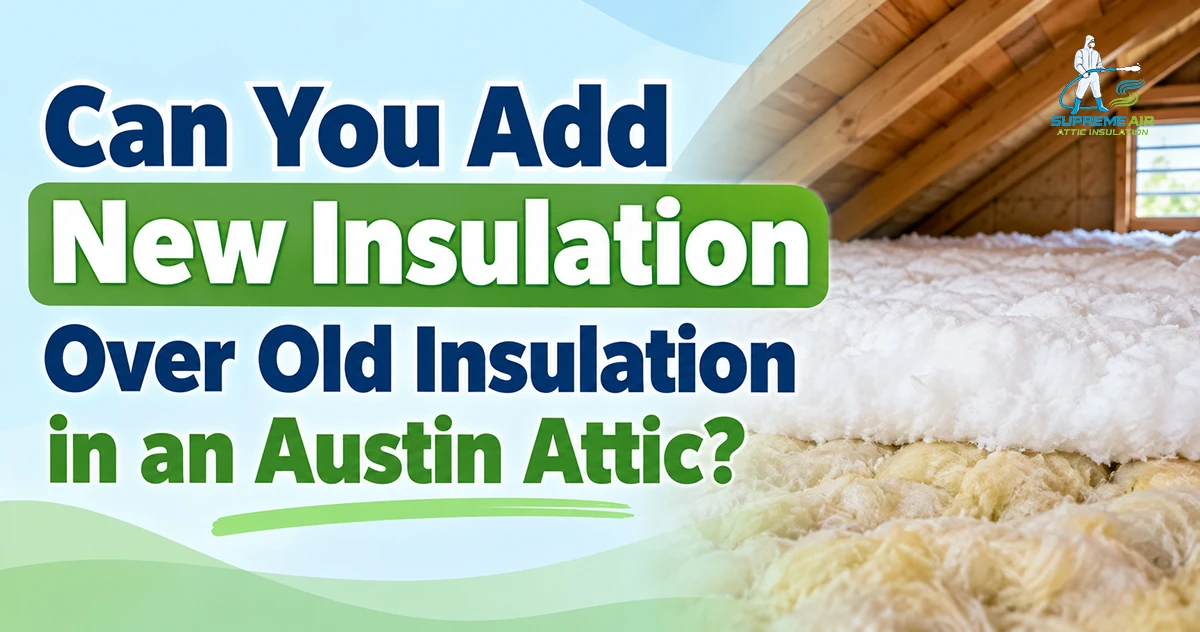
Yes, you can often add new insulation over old insulation in an Austin attic when the existing material is dry and in suitable condition. Removal becomes a different conversation when there is moisture damage, contamination or a need to reach hidden problems. ENERGY STAR says existing insulation usually does not need to come out unless it is wet, moldy, smelly or contains animal waste.
The useful question is what condition your attic is in now. Before approving a top-up or full removal, ask for an explanation of what can stay, what needs attention and how the finished work will be checked.
At Supreme Air Attic Insulation, we provide attic insulation services in Austin and attic cleaning. This guide explains the decisions to work through before you choose a scope.
Start with the existing material and the reason for the project
Tell the inspector what you want to improve. Is one bedroom uncomfortable? Did a roof leak leave a wet patch? Has another contractor recommended removing everything? Bring that information to the appointment so the inspection can address the actual concern.
Ask the inspector to identify the insulation material and show its condition in several parts of the attic. A photo beside the hatch is useful, but it may not represent the far corners, areas around equipment or spaces under stored items.
Request separate answers to two questions: Is the existing insulation suitable to remain? And is the insulation coverage sufficient and reasonably even? Material can be suitable to keep while the overall installation still needs improvement.
ENERGY STAR notes that low spots can matter even when the middle of the attic looks well covered. Its guidance also allows adding a different insulation type over an existing layer. For example, loose-fill material can go over fiberglass batts. The choice still needs to fit the assembly and product instructions.
When a top-up is worth considering
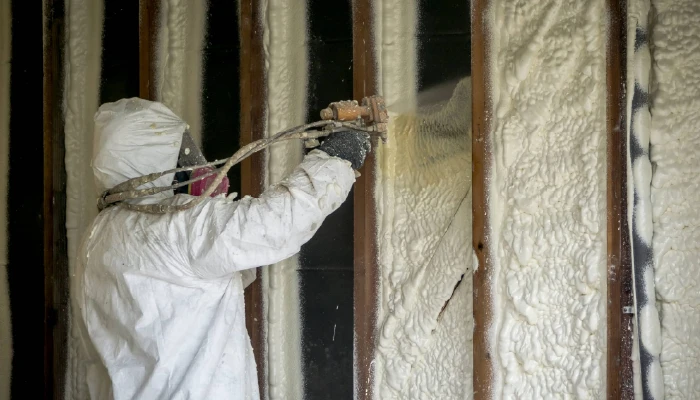
A top-up means adding material to improve the existing layer. It is worth discussing when inspection finds usable insulation and identifies areas where additional coverage would help. Ask the contractor to explain how the old layer was assessed before it disappears under the new one.
The proposal should identify the area to be covered and the finished target, not simply say “add more insulation.” R-value describes resistance to heat flow. Depth alone is not a complete specification because the material and installation affect performance. Ask for the product name and the depth needed for its stated R-value.
Also ask how the contractor will deal with uneven sections. Will displaced material be put back in place? Are there areas that cannot be reached? If access limits the work, that limitation should appear in the quote.
When removal or repair should come first
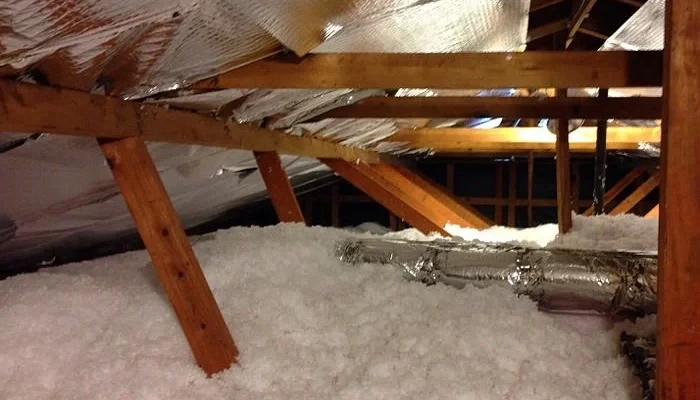
Moisture, animal waste and other contamination need assessment before new material is added. Covering an affected area makes it harder to see later. Ask whether removal is limited to a documented section or whether conditions support a larger project.
The cause matters as much as the affected insulation. A roof leak, an exhaust fan discharging into the attic, or an active pest problem needs its own plan. Cleaning or replacement should be coordinated with that work so the new material is not exposed to the same problem.
There can also be an access reason to move or remove insulation. PNNL’s retrofit guidance describes removing material to reach the attic floor for air sealing. It notes that insulation in good condition may be reinstalled. Ask whether a removal recommendation is driven by contamination, repair access or both.
If vermiculite is suspected, leave it undisturbed and arrange a qualified assessment. EPA advises treating vermiculite as potentially asbestos-contaminated. Routine attic cleaning is not a substitute for the specialized assessment and removal procedures that may be needed.
For ordinary attic cleaning and insulation removal questions, see our attic cleaning service. Describe any suspected contamination before scheduling so the scope can be discussed correctly.
Keep, top up or investigate first?
Use this comparison to organize a conversation with the inspector. It is a set of questions, not a diagnosis from a photograph.
| What the inspection finds | What to ask next |
| Dry material with thin or uneven coverage | Can suitable material stay, and what additional coverage is proposed? |
| A wet or contaminated area | What caused it, how far does it extend, and which material must be removed? |
| Work needed beneath the insulation | How will the contractor gain access, and can sound material be reused? |
| An uncertain material or hidden area | What further assessment is needed before approving work? |
Air sealing and ventilation belong in the plan
Insulation and air sealing do different jobs. Insulation slows heat transfer; air sealing closes paths where air moves through the ceiling. ENERGY STAR recommends addressing attic-floor air leaks before adding insulation, while the gaps are easier to reach.
Ask who is responsible for that work. If it is outside the insulation quote, arrange it before the new layer goes in. The estimate should explain which areas are included and which require another contractor.
In a vented attic, the new insulation must also leave the intended ventilation paths open. Baffles are channels that keep insulation away from the airflow route at the eaves. PNNL identifies these paths, ceiling penetrations and clearances around heat-producing components as parts of the retrofit plan.
Have the contractor explain how the plan applies to your attic rather than assume every roof uses the same design. An attic insulated along the roofline needs a different review from a conventional attic with insulation on its floor.
Compare written scopes before comparing prices
Two estimates can use the same word, “insulation,” while describing different projects. One may cover only new material. Another may include removal and preparation. Put the scopes beside each other and identify the difference before deciding which is better value.
A useful estimate answers these questions:
- What material will stay, and what material will be removed?
- Which attic sections and approximate area are included?
- What product, finished R-value and installation depth are proposed?
- Who handles prerequisite repairs, air sealing and ventilation changes?
- Are disposal, access preparation, cleanup and completion records included?
- What is excluded, and how will extra work be approved?
If full removal is recommended, ask the contractor to show why the whole area needs that work. If a top-up is recommended, ask what makes the old layer suitable to keep. Either recommendation should connect to the inspection findings.
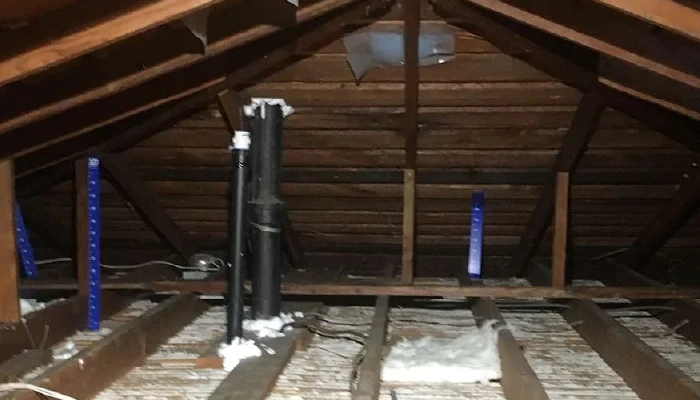
Ask for a useful completion record
Before work starts, agree on how the result will be documented. Request photos of the same areas before and after, the installed product information and the final insulation specification. Keep those records with your home maintenance files.
Ask about anything the team could not reach or inspect. A clear statement of limits is more useful than a claim that every possible attic problem has been solved. If another repair is still needed, record who will handle it and when.
After the project, note whether the original comfort concern improves. If a room remains uncomfortable, share that observation with the contractor and your HVAC professional. Additional insulation does not establish the cause of every room-temperature problem.
Questions to bring to an attic inspection
Does old insulation automatically need replacement?
Age is useful background, but ask for a condition-based recommendation. Request the reason the material cannot remain or why additional coverage is needed. “Old” is not a complete description of the proposed work.
Should I move stored items before the visit?
Tell the team what is stored in the attic and how the access works. Ask what should be moved and whether the inspection can be completed safely. Do not walk across exposed ceiling drywall or disturb suspect material to prepare for a visit.
Can I compare an existing quote with your findings?
Bring the quote and any photos that came with it. Ask the inspector to address its assumptions, including removal area, product choice and preparation. That makes the comparison specific to your home.
Discuss your Austin attic with Supreme Air
If you are deciding whether to add insulation over the old layer or replace it, contact Supreme Air Attic Insulation. Tell us what prompted the project and whether there has been water damage, pest activity or a prior recommendation.
Call (512) 243-7369 or request an attic inspection. We can discuss your attic’s condition and the insulation or cleaning work you are considering.